Management System Has Grown: Create Order Again with a Gap Analysis
When processes, roles and documents have grown over the years, a gap analysis shows whether the system still reflects reality.
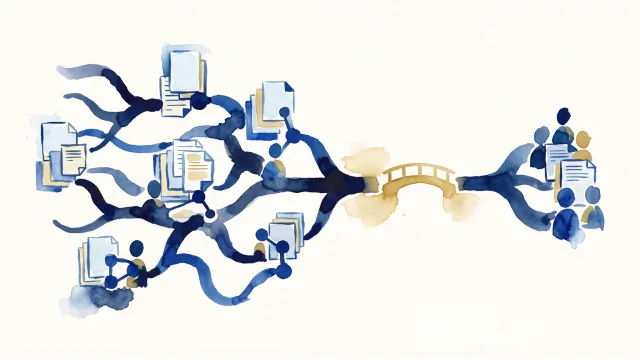
Many management systems start out clearly. Then new customers, new sites, new roles, new tools, additional standards and more records are added. After a few years the system still exists, but it is no longer unambiguous: documents contradict practice, responsibilities have moved and metrics are collected without triggering clear decisions.
How to Recognize a Grown Management System
A grown system is not automatically bad. It often shows that the company has developed. It becomes problematic when structure and daily work drift apart.
- Process descriptions name roles that no longer exist in that form.
- Documents are maintained, but the team uses different tools in daily work.
- Actions are recorded, but effectiveness and priority remain unclear.
- Internal audits check documents but no longer examine the real interfaces.
- Customer requirements, complaints and supplier information bypass the management system structure.
Why More Documentation Is Rarely the Solution
When a system becomes confusing, the cause is rarely too little paper. Often the missing element is clear decisions: Which processes are truly critical? Which metrics drive decisions? Which evidence does the audit need? Which documents can be removed?
An effective management system does not need to describe every detail. It must control the critical workflows so that responsible people know what applies, which records are created and how deviations are handled.
What a Gap Analysis Checks in Grown Systems
| Review Field | Guiding Question | Possible Finding |
|---|---|---|
| Process logic | Do the process landscape and actual workflows still match? | Interfaces are unclear or described twice. |
| Roles | Are responsibilities current and able to support decisions? | Approvals sit with people who are no longer operationally involved. |
| Evidence | Are records created where the work happens? | The audit expects evidence from a system that is barely used internally. |
| Improvement | Are nonconformities, complaints and actions controlled effectively? | Action lists are long, but priority and effectiveness are weak. |
Turning the Analysis into a Lean Action Plan
The value does not come from a long list of deficiencies. The decisive point is putting findings into a useful sequence. Good prioritization separates three levels:
- Audit-critical: gaps that can directly lead to nonconformities.
- Effectiveness-relevant: points that disrupt the process in daily work or encourage errors.
- Cleanup work: documents, duplications and legacy items that can be cleaned up later.
How Sternberg Consulting Supports You
We review grown management systems for standard gaps, day-to-day usability and audit readiness. The result is a prioritized action plan that addresses critical points first and reduces unnecessary documentation. Useful starting points are an ISO gap analysis and ongoing management system maintenance.
Frequently Asked Questions
Does a grown management system have to be rebuilt completely?
Usually not. A structured review should come first. Clear roles, cleaned-up documents, better evidence logic and a focused action plan are often enough.
How do you know which documents can be removed?
A document should remain if it controls a process, fulfills a requirement or secures evidence. Pure legacy items without use and without evidence value can usually be merged or removed.
Is a gap analysis useful even without an upcoming audit?
Yes. Especially without immediate audit pressure, the analysis can help streamline the system in an orderly way and reflect daily work more accurately.